
Music and Emotion
Your Creative Background Noise is Calling You

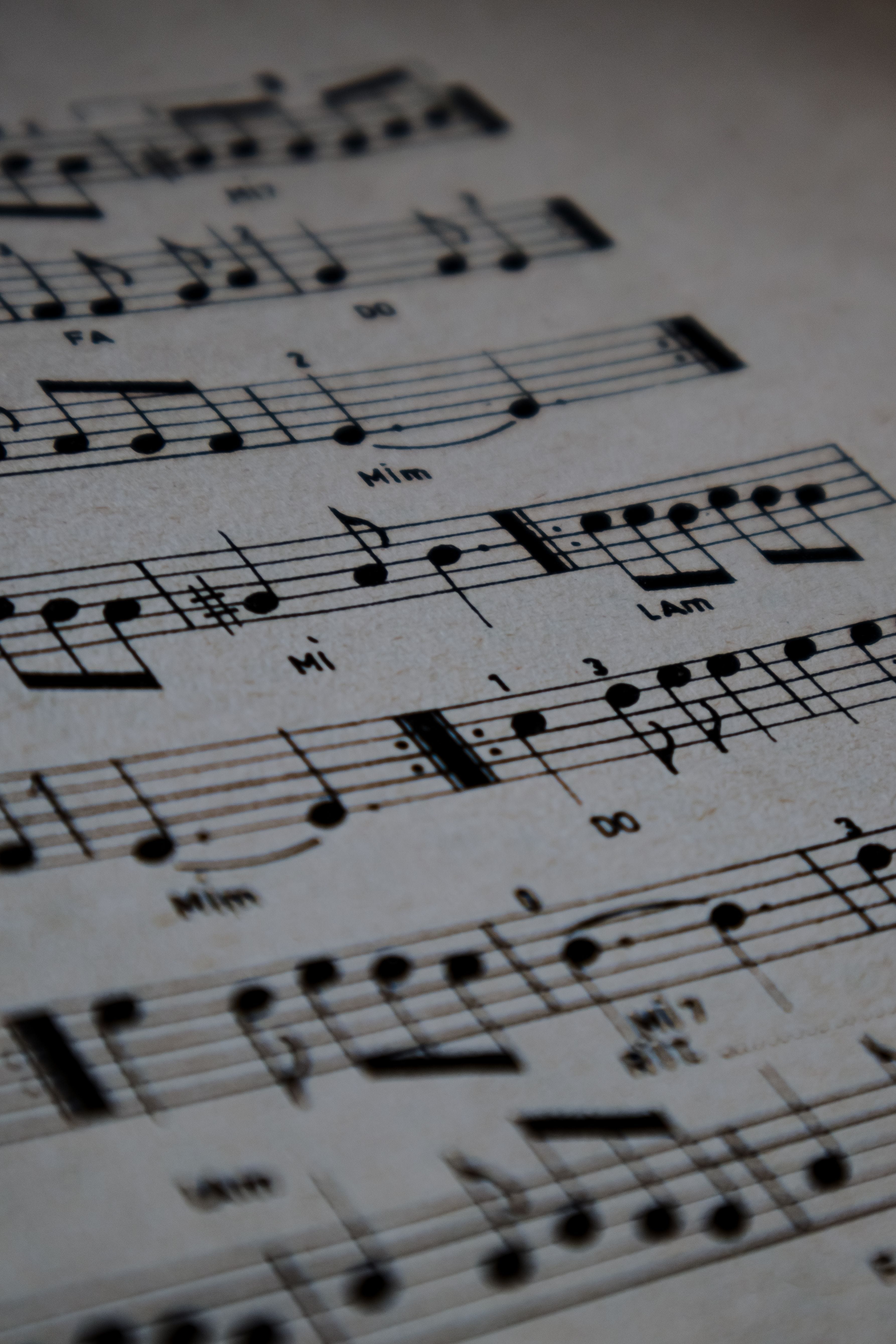
There is something quietly unsettling about how much of the art that moves us is, by nature, impermanent.
A poem can meet you at exactly the right moment—hold you, name something you didn’t yet have language for, and then, years later, it falls flat. Not because it changed, but because you did. The coordinates shifted. You are no longer standing in that same emotional geography.
Music, for me, is the most impermanent form of all.
It arrives with urgency. It becomes obsessive. I need it, play it on repeat, live inside it, let it score entire stretches of my life. And then, almost without noticing, I let it go. Maybe I grow tired of it. Maybe it becomes too attached to a version of myself I no longer recognize, or no longer want to revisit. Sometimes it even feels like I don’t like it anymore. After a hundred listens, something in the relationship erodes, and I move on.
But that erosion says something deeper about music itself.
If music is the art form that reaches emotion most directly; bypassing analysis, slipping past defenses. Music is also uniquely vulnerable to fading, drying up, or transforming. And yet, after enough time passes, a song can return. Not as it was, but as something newly charged. You hear it again and are transported, not just back to who you were, but into a reconsideration of what that moment meant.
It raises a question I keep circling: does music achieve permanence not through the artifact itself, but through the intersections it creates? Through time, memory, and emotional need?
When I feel unmoored, I often turn to music in circuits. One song leads to another, then another, an associative chain, less logical than emotional. And sometimes, somewhere along that path, I land on a song that feels like it is speaking directly to me. Not metaphorically, but precisely, naming the disorientation, the absence, the quiet sense of being lost.
In those moments, I don’t want to move on. I want to stay inside the song.
Sometimes that song is thirty years old. But the moment it creates is immediate, alive. It is the same emotional response that happens when movies and their scores work so well together. It acts as an emotional bridge to the action on the screen. Music feels that way in my own head, with my own memories.
You hear echoes of this in how artists talk about performance. Singers, musicians, conductors—they describe a particular night, a specific rendering of a song, as if something unrepeatable happened. And audiences say the same: I was there. It felt different. Something important occurred.
That is the agreement we make with music. It gives us access to moments—through sound, through motion, through presence—not entirely dependent on interpretation or prior knowledge, but on a kind of shared emotional immediacy.
I used to think casually about the persistence of music. Years ago, I joked that if all those forgettable songs from the 1980s were still around, I wouldn’t be surprised. But I realize now I was wrong in a more important way. It is not the individual songs that endure—it is the collective body of music that remains available to us, allowing us to re-enter the intersections of sound, space, memory, and experience.
And yet, I still take music for granted.
Until I need it.
Until something feels off, or missing, and I begin searching—not for a specific song, but for a feeling. I move through tracks that don’t quite land, revisit songs I thought mattered but don’t anymore, follow threads that lead unexpectedly to something I had forgotten. Even the “bad” songs serve a purpose; they are part of the pathway.
This is what makes music different from other art forms. Books, paintings, poetry, architecture: they occupy space. You can return to them physically, place them on a shelf, revisit them as objects.
Music occupies time.
You cannot take your favorite moment from a live performance and preserve it intact. You cannot hold it, display it, or fully recreate it. But you can return to the recording. And while you cannot recover the original moment, you can approximate its emotional contours. Sometimes, that return brings you back to joy. Sometimes, it brings you back to grief—to what was missing then, or what is missing now.
One of my favorite moments is to be in a theater before a performance, because the act of being in the space, in the moment, is quite extraordinary (I typically use my imagination to get into a novel, a scene, setting, or mood). People are dressed up. People are together. People are open to sharing this moment. The applause, the act of performing, the shared experience is all purposeful and connective in a way I don’t share in my writing.
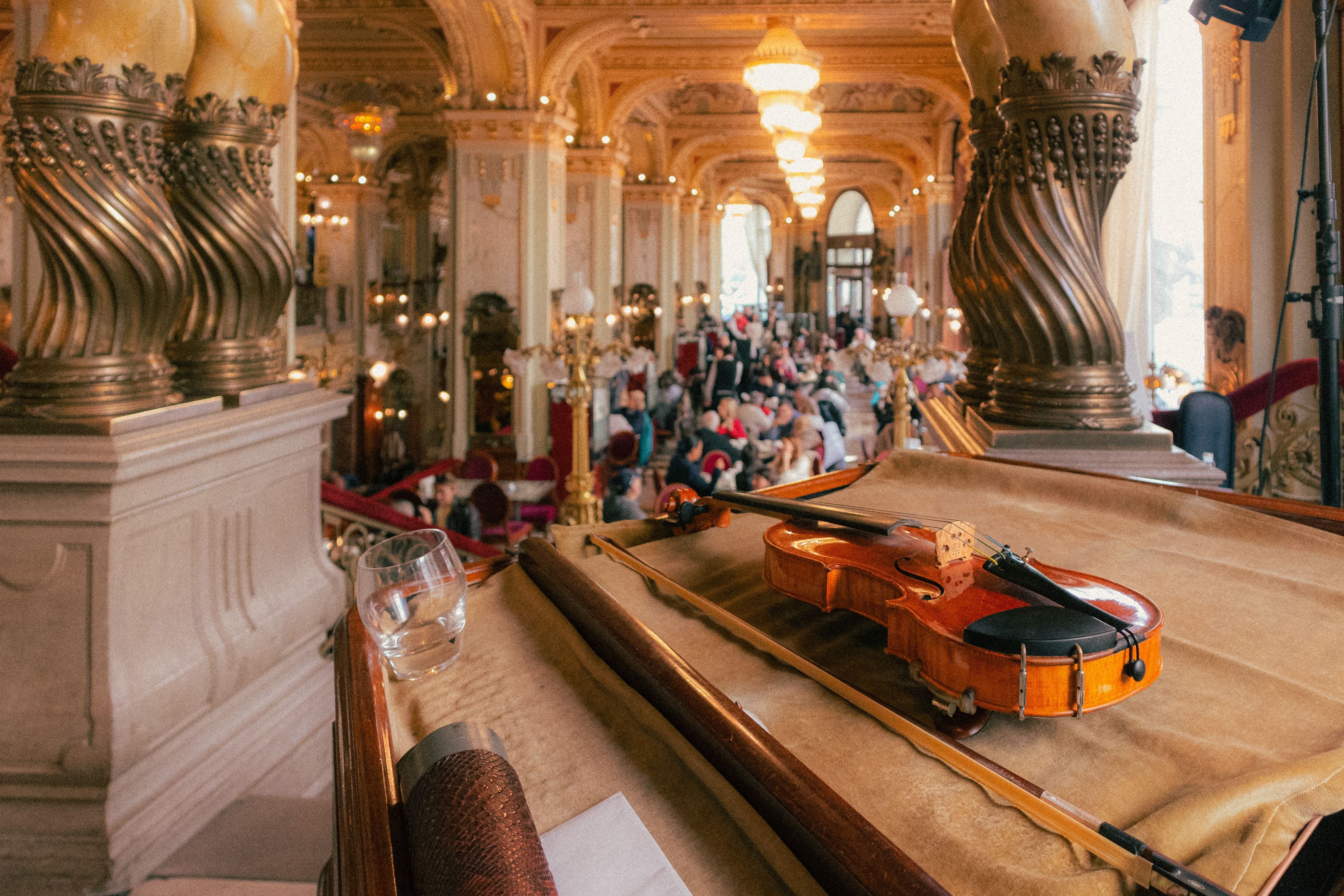
In a world that often asks us to suppress, to move forward without pausing, music offers a different kind of permission.
It allows us to feel deliberately.
To revisit. To re-experience. To sit inside something unresolved.
So go back to those songs. Let yourself move through them, not as nostalgia, but as exploration. Follow the circuits. Stay with the one that unsettles you, or the one that opens something you have been avoiding.
At the right moment, the right song is not just sound.
It is a way back into yourself.
A writer’s note to music: I listen to music when I write, but I cannot listen to music with lyrics when I read. It is just how it works for me. Any song, lyrics, mood, feel is all part of the writing process. Sometimes, replaying music gives access back to the writing. Reading, being dyslexic (not sure it has anything to do with it), is no-lyrics only. Classical, ambient music, and white noise are good for reading. I mention this because the writing process is a big part of what I think about, however, this article is more about the essence of music and access to emotionality.
Tell me how music accesses your emotions, your creativity, your process, and your experiences.
Such a beautiful way to explain your relationship with music, which coincidentally is extremely similar to the way I experience music. While I write and read I cannot listen to music with words but still some of those songs make me stop and draw me in. The emotional pull is so strong with music, if I were to lose all my senses I would only despair when my hearing is gone